Age by age · 2 years
Tokyo with a 2 Year Old: What Actually Works at This Age
By the kyounoko team — Tokyo parents who have done this age in this city, repeatedly.
Last verified: August 2026 · researched in person in Tokyo
Two is the classic Tokyo toddler age: old enough to be genuinely delighted by animals, trains and conveyor-belt sushi, young enough that the nap still rules the day and the meltdown is never more than thirty minutes away. Build each day around one big thing in the morning and somewhere to run in the afternoon, and Tokyo is one of the easiest cities in the world at this age.
This page is only about being two. If you want the general picture for a one-to-four-year-old, start with Tokyo with toddlers; if you want the day-by-day structure, that is in how to plan the days.
What a two-year-old can and cannot do
✓ Be delighted by animals, trains and moving food
✕ Queue for more than about ten minutes
Two-year-olds have no patience but enormous enthusiasm. Anything that moves — a conveyor belt, a monorail, an elephant — buys you twenty minutes of genuine joy. A ticket line buys you a meltdown.
✓ Walk, for about as many minutes as you would like them to walk metres
✕ Be relied on to walk to the destination
Bring the stroller even if they are "too big for it". It is a nap bed, a luggage rack and a containment device at a crossing. Most families here use it for the journey and let the child walk once they arrive.
✓ Eat almost anything if it is familiar in shape
✕ Wait for food
Rice, noodles, egg, fries, plain grilled chicken — Japan has all of it cheaply. The problem is never the menu, it is the twenty minutes between sitting down and eating.
✓ Nap in a stroller in a noisy department store
✕ Skip the nap and still have an evening
A skipped nap at two does not cost you the afternoon. It costs you the evening and the following morning as well.
Where a two-year-old can run
The single most useful thing you can know about a neighbourhood at this age is whether there is somewhere to let go of their hand. These are the 20 of our 26 mapped neighbourhoods with a park, garden, zoo or aquarium near the station — each links to the full guide with the restaurants and baby rooms around it.
Asakusa
Sumida Park · Hanayashiki
Shinjuku
Shinjuku Gyoen
Ueno
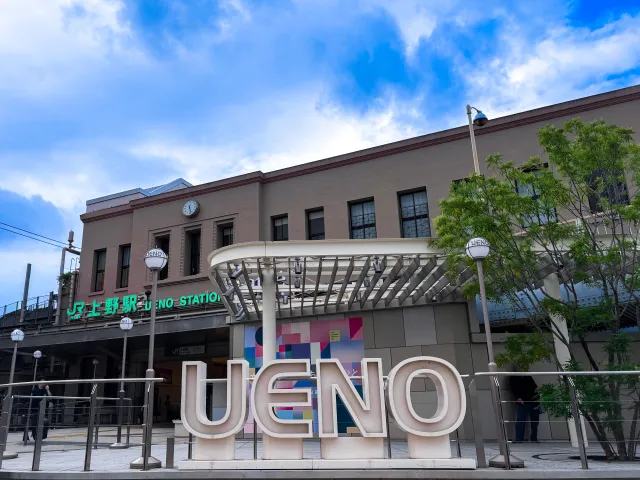
Ueno Zoo · Ueno Park
Shibuya
Miyashita Park · Yoyogi Park
Ginza
Ginza Six rooftop garden · Hama-rikyu Gardens
Ikebukuro
Sunshine Aquarium · Sunshine City
Tokyo
Imperial Palace East Gardens
Harajuku
Yoyogi Park
Roppongi
Roppongi Hills & Mori Garden · Tokyo Midtown & Hinokicho Park
Tokyo Skytree / Oshiage
Sumida Aquarium · Tokyo Solamachi
Shinagawa
Maxell Aqua Park Shinagawa
Nakano
Nakano Central Park
Kasai-Rinkai-Koen
Tokyo Sea Life Park
Kinshicho
Kinshi Park
Shimokitazawa
Kitazawa Park
Kiyosumi-Shirakawa
Kiyosumi Gardens
Futako-Tamagawa
Futako Tamagawa Rise
Ebisu
Yebisu Garden Place · Tokyo Photographic Art Museum
Daikanyama
Kyu-Asakura House
Kagurazaka
The bakery picnic
Meals that entertain as well as feed
At two, the wait is the problem, not the food. Conveyor-belt sushi solves both at once: the plates arrive immediately, the belt is the entertainment, and the touch-screen ordering means nobody has to understand a menu. These are the 4 major chains, all of which take strollers and have high chairs.
Sushiro ~¥1,500
Conveyor sushi is a hit with kids — touch-screen ordering, plates from ~¥120, often a toy-capsule reward.
Kura Sushi ~¥1,500
Like Sushiro, with a “Bikkura Pon” capsule toy every five plates — pure kid catnip.
Uobei ~¥1,500
Genki Sushi’s express-lane chain: you order on a screen and the plate shoots to your seat on its own track. Kids find it genuinely thrilling.
Hama Sushi ~¥800
The cheapest of the big conveyor-sushi chains — touch-screen ordering and a changing table, and staff will often warm baby food.
For everything else — high chairs, kids’ plates and which chains have a changing table — see the family restaurant cheat sheet.
The three-year-old is a different trip
If your child turns three before you travel, expect the trip to open up: naps become optional, walking distances stretch, and things that need patience — an aquarium, a science museum, a proper temple visit — start to land. Keep the stroller anyway. At two, none of that is true yet, and planning for the three-year-old you hope to have is the most common way a trip goes wrong. The other direction is just as different: at one the problem is where to put them down; at three it is which of the bigger attractions finally works.
Common questions
Is Tokyo worth visiting with a 2 year old?
Yes, provided you plan for the age rather than the city. Two-year-olds get more out of Tokyo than most people expect — conveyor-belt sushi, Ueno Zoo, trains everywhere, and safe streets — but they set the pace. Of the 26 neighbourhoods we have mapped, 20 have a park, garden, zoo or aquarium within reach of the station, and that is what a two-year-old day should be built around.
Do I need a stroller for a 2 year old in Tokyo?
Yes, even if they mostly walk at home. Tokyo days involve far more distance than a normal day, the stroller is where the nap happens, and it doubles as somewhere to put bags. You never have to fold it on a train. Many families use the stroller to get somewhere and let the child walk once they are there.
What can a 2 year old do in Tokyo?
Animals, trains, water and moving food are the reliable wins: Ueno Zoo, the aquariums, riding the driverless Yurikamome line at the front window, and conveyor-belt sushi where the plates come to the table. Temples, museums and shopping streets are for the adults — a two-year-old will tolerate about thirty minutes of any of them.
Where can a toddler run around in Tokyo?
Asakusa (Sumida Park), Shinjuku (Shinjuku Gyoen), Ueno (Ueno Zoo), Shibuya (Miyashita Park), Ginza (Ginza Six rooftop garden), Ikebukuro (Sunshine Aquarium) are among the easiest. In total 20 of the 26 neighbourhoods we have mapped have open space, a garden, a zoo or an aquarium close to the station.
Will a 2 year old eat Japanese food?
Usually, yes — rice, plain noodles, egg and fried food are all familiar shapes. Conveyor-belt sushi works especially well because the food arrives immediately and the belt is the entertainment; there are 4 major chains (Sushiro, Kura Sushi, Uobei, Hama Sushi). 279 of the 319 restaurant listings in our database also let you bring your own food, which covers the fussiest days.
How do you handle a tantrum in public in Japan?
Move rather than negotiate. Japanese public space is quiet and a screaming child feels more conspicuous than it would at home, but nobody will confront you — the norm is polite non-intervention. Step into a department-store baby room, a park or a family restaurant, all of which are close by almost everywhere in central Tokyo, and reset there.
Book the trip around it
Some links below are affiliate links. If you book through them we may earn a small commission, at no extra cost to you. We only list things we would actually use — see our disclosure.
Tickets & tours (Klook)
Skip-the-line tickets and family experiences — teamLab, theme parks, day trips and more.
Browse experiences →Family hotels (Booking.com)
Filter for family rooms, cribs and step-free access near the station.
Find family hotels →Japan eSIM (Airalo)
Get online the moment you land — an eSIM installs before you fly, no pocket-wifi pickup counter.
Get a Japan eSIM →Our 5-day plan is built for exactly this age.
One neighbourhood per day with nap windows, somewhere to run in every afternoon, and a fallback meal marked on each route.
See the itinerary on Etsy →