The complete guide
Tokyo with Toddlers: A Local Parent’s Guide to the City with a 1–4 Year Old
By the kyounoko team — a Tokyo parenting team who map kid-friendly Tokyo for a living. This is the visitor version of what we tell friends.
Last verified: August 2026 · researched in person in Tokyo
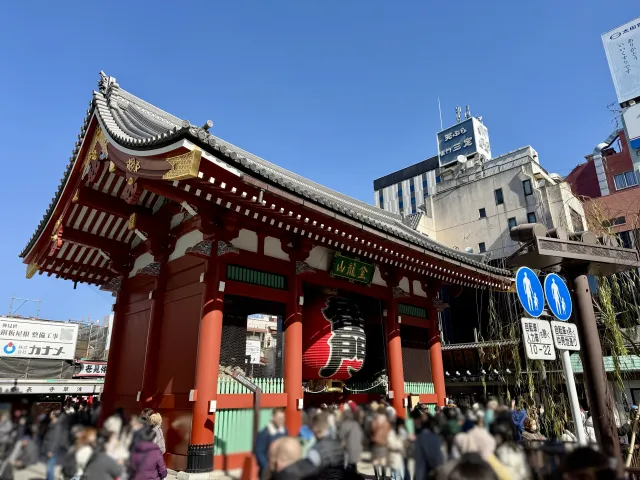
Tokyo is one of the easiest big cities in the world to visit with a toddler: free baby rooms with hot water sit inside most department stores, family restaurants serve kids’ plates for under ¥1,000, and you never have to fold a stroller on a train. The real difficulties are rush hour, stairs at older stations, and summer heat — all of which you plan around rather than endure.
This is the page we point people to first. It covers the five things that decide how a toddler trip goes, what changes at each age between one and four, where to base yourself, and which neighbourhoods are genuinely easy with a small child. Everything here links out to a fuller guide, most of it built on our own station-by-station research.
We currently have 26 Tokyo neighbourhoods mapped for families, covering 319 kid-friendly restaurant listings and 78 checked nursing-room locations.
The five things that decide the trip
Sightseeing is not the variable. With a one-to-four-year-old, these five are — and each one has a settled answer in Tokyo once you know it.
Where the nap happens
Decide this before you decide what to see. A toddler who naps in the stroller gives you a mobile afternoon; one who only sleeps in a dark room gives you a trip built around going back to the hotel at 1pm. Both are workable — but only if you plan the day around the answer.
How to plan the days →What they will actually eat
Japan is unusually easy here. Family restaurant chains have kids’ plates and high chairs, conveyor sushi entertains and feeds at once, and most places are relaxed about you bringing your own baby food. The trick is knowing the chain names before you are hungry.
The family restaurant cheat sheet →How you move with a stroller
You never have to fold it. Tokyo trains have marked stroller spaces and almost every station has an elevator — the catch is that the elevator is often at one specific exit, and picking the wrong one costs you fifteen minutes with a tired two-year-old.
Tokyo trains with a stroller →Where the next diaper change is
This is the thing Tokyo does better than almost any city on earth. Free, clean, well-equipped baby rooms sit inside department stores, station buildings and malls — with hot water for formula and often a private nursing booth. Learn the pattern once and you stop worrying.
How Tokyo baby rooms work →What you do when it rains
Tokyo is wet, and an outdoor plan with a toddler does not survive rain. The good news is that whole districts are connected under cover, so the fix is knowing which ones — and keeping one indoor day in reserve rather than improvising it soaked.
Rainy-day Tokyo with kids →What changes at each age
“Toddler” covers three very different travellers. The city does not change; what you can ask of the day does.
Under 1
With a baby
The easiest age to fly with and the most gear-dependent on the ground. Pack light: formula, diapers and baby food are sold in every drugstore and konbini here. Your two constraints are nursing logistics and where the baby sleeps at night.
1 year old
Newly walking
The hardest age in a city, honestly — mobile enough to want down, not steady enough for crowds. Prioritise flat, enclosed places where letting go is safe: parks with fences, mall play floors, and the wide bayside walkways rather than narrow market streets.
2 years old
The classic toddler trip
Old enough to be delighted by animals, trains and conveyor sushi; young enough that the nap still rules the schedule and the meltdown is always thirty minutes away. One neighbourhood per day, a park in it, and a fallback dinner decided before you leave the hotel.
3–4 years old
Dropping the nap
The trip opens up. Naps become optional, walking distances stretch, and the attractions that need patience — a science museum, an aquarium, a proper temple visit — start to land. Keep the stroller anyway; it is a mobile seat and a luggage rack even when nobody sleeps in it.
Where to base yourself
With a toddler, the hotel’s address does more work than the hotel does. The number of transfers a normal day costs you, and whether there is grass within walking distance of the lobby, matter more than the room. We ranked the areas on exactly those terms.
Where to stay in Tokyo with kids
Six areas ranked by step-free access, stroller-friendly restaurants and baby rooms nearby — plus the three that are better visited than slept in, and the five things about Japanese hotel rooms you can only fix before you book.
Read the area-by-area breakdown →Where to go: every neighbourhood we have mapped
Each guide below is the same shape: which restaurants near that station take a stroller and have a changing table, where the nursing rooms are, how the elevators and exits work, what to do there if it rains, and when to turn up. If you are choosing a first day, Ueno, Asakusa and Odaiba are the three we suggest most often.
Asakusa Station
Taito, old-town Tokyo
Shinjuku Station
Shinjuku, west-central Tokyo
Ueno Station
Taito, north-east Tokyo
Shibuya Station
Shibuya, central Tokyo
Ginza Station
Chuo, central Tokyo
Ikebukuro Station
Toshima, north Tokyo
Akihabara Station
Chiyoda, central Tokyo
Tokyo Station
Marunouchi, central Tokyo
Harajuku Station
Shibuya, central Tokyo
Roppongi Station
Minato, central Tokyo
Odaiba (Daiba / Tokyo Teleport)
Minato / Koto, Tokyo bay
Tokyo Skytree / Oshiage Station
Sumida, east Tokyo
Shinagawa Station
Minato, south Tokyo
Toyosu Station
Koto, Tokyo bay
Ryogoku Station
Sumida, east Tokyo
Nakano Station
Nakano, west Tokyo
Kasai-Rinkai-Koen Station
Edogawa, Tokyo bay
Kinshicho Station
Sumida, east Tokyo
Shimokitazawa Station
Setagaya, west Tokyo
Kiyosumi-Shirakawa Station
Koto, east Tokyo
Futako-Tamagawa Station
Setagaya, west Tokyo
Ebisu Station
Shibuya, central Tokyo
Daikanyama Station
Shibuya, central Tokyo
Jiyugaoka Station
Meguro, south-west Tokyo
Tsukishima Station
Chuo, Tokyo bay
Kagurazaka Station
Shinjuku, central Tokyo
Before you fly
Two things are worth sorting at home. The first is jet lag, which with a small child is the single biggest threat to the trip and is largely won or lost in the first forty-eight hours. The second is packing, which most families overdo — Japan sells diapers, formula and baby food everywhere, so the luggage is better spent on things you cannot buy here.
- Narita or Haneda to Tokyo with kids — which airport transfer actually works with luggage and a toddler.
- Jet lag with a toddler in Japan — why the 5am wake-ups happen and the first-48-hours plan.
- Formula, diapers and baby food in Japan — the brands, how to read the packaging, and what not to pack.
- Our free Japan-with-kids packing list — the one we actually use, printable in a click.
Common questions
Is Tokyo good for toddlers?
Yes — Tokyo is one of the easiest big cities in the world with a toddler. Free baby rooms with hot water sit inside most department stores and station buildings, family restaurant chains have high chairs and kids’ plates for under ¥1,000, strollers are welcome on trains without folding, and the city is safe enough that a wandering three-year-old is a minor problem rather than a crisis. The genuine difficulties are rush-hour crowds, stairs at older stations, and summer heat.
How many days do you need in Tokyo with a toddler?
Five to seven days. Budget the first one or two for jet lag with nothing scheduled, then plan one neighbourhood per day with a park in it. Anything shorter and the jet-lag days eat the trip; much longer in the city alone and most toddlers are ready for a change of scene.
Should we bring a stroller or a carrier to Tokyo?
Bring the stroller if your child still naps in one — you never have to fold it on trains, and it doubles as a luggage rack. Add a carrier for the specific situations a stroller loses: crowded market streets, older stations where the elevator is a detour, and temple grounds with gravel and steps. Most families here use both on the same day.
What is the best area of Tokyo to stay in with a toddler?
Ueno for a first trip — a flat park and a zoo within walking distance of the hotels, dense cheap family restaurants, and the Skyliner from Narita terminating there. Tokyo Station suits short trips where you want the fewest transfers, and Asakusa is the calmer, cheaper choice with the easiest flat walking in central Tokyo.
Is Tokyo stroller friendly?
Mostly yes, with two caveats. Trains have marked stroller spaces and you are not expected to fold, newer buildings are fully step-free, and the bayside districts are the flattest ground in the city. The caveats are that elevators at big stations are often at one specific exit rather than all of them, and that older neighbourhoods have narrow pavements. Plan the exit, not just the route.
Can you bring your own baby food into restaurants in Japan?
At family restaurants and most casual chains, yes — it is normal and nobody minds, and staff will often warm it or bring hot water if you ask. It is less appropriate at small owner-run restaurants and counter sushi. When in doubt, the family restaurant chains are the safe answer.
Coming in spring?
Cherry-blossom season is the best weather of the year for a toddler and the hardest crowds. The morning windows we use at each park are the difference between a walk and a queue with a stroller.
Book the trip around it
Some links below are affiliate links. If you book through them we may earn a small commission, at no extra cost to you. We only list things we would actually use — see our disclosure.
Family hotels (Booking.com)
Filter for family rooms, cribs and step-free access near the station.
Find family hotels →Tickets & tours (Klook)
Skip-the-line tickets and family experiences — teamLab, theme parks, day trips and more.
Browse experiences →Japan eSIM (Airalo)
Get online the moment you land — an eSIM installs before you fly, no pocket-wifi pickup counter.
Get a Japan eSIM →JR Pass & rail tickets
Work out whether a rail pass saves money for your route before you go.
Check rail passes →Want it already decided? Our 5-day toddler itinerary does the sequencing.
One neighbourhood per day with nap windows built in, the nearest baby room and a kid-approved meal marked on each route, and a rainy-day swap for every day.
See the itinerary on Etsy →